
India already runs on small electric vehicles.
Nobody has written down what's broken.
A one-day hackathon on e-scooters, e-cycles, e-rickshaws and e-cargo. We don't give you a problem to solve — finding one is half the challenge.
We don't hand you
a problem statement.
Finding one is half the challenge. Tell us a real problem you have found in India's micromobility EV space, show us how you know it is real, and build something about it in a single day.
- 1Enter on your own, or form a team of up to three.
- 2Answer the five questions below, on one page.
- 3Send it in before Sunday 27 September 2026.
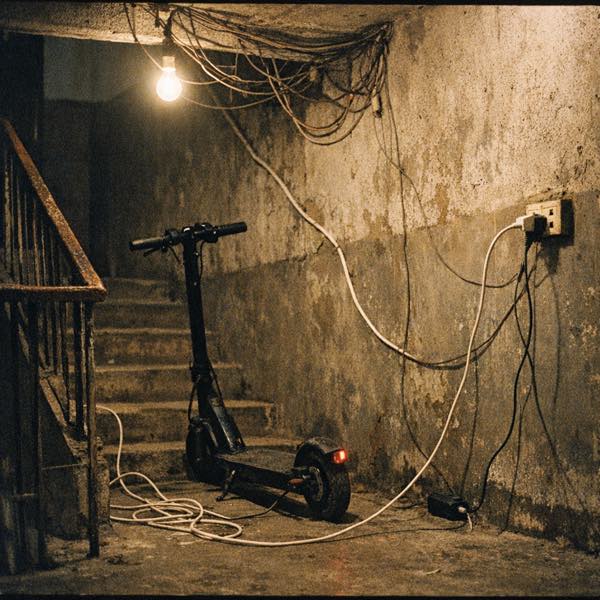 off an extension cord
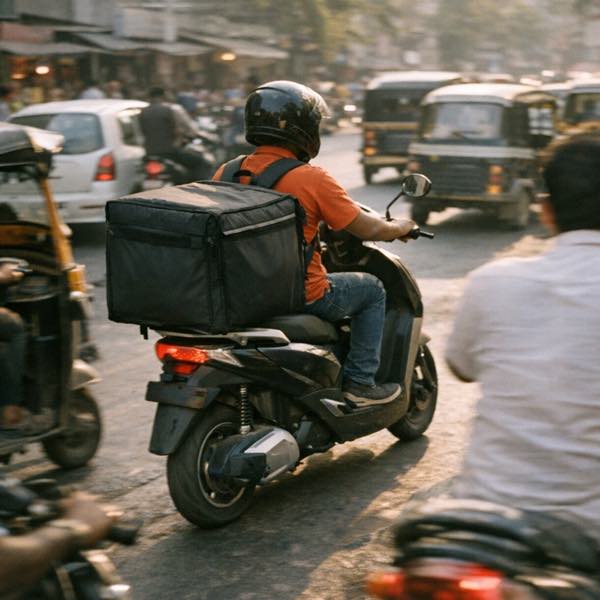 eleven-hour delivery shift
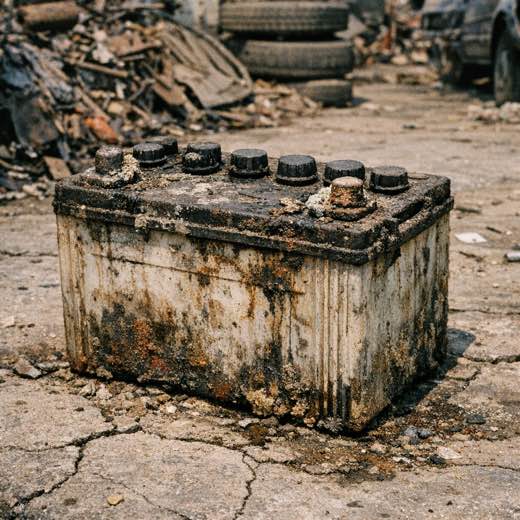 dead pack, 14 months
What problem did you find, and who has it?
Name a real person or organisation — a rider, a fleet, a lender, a workshop, a city.
How do you know it is real?
You watched it happen, you asked someone, or you found data. One honest sentence beats a confident guess — talking to one real rider counts as evidence, and we score it as such.
What will you build?
Software, built on the day. Explain how it addresses the problem you named.
What will be working by 17:30?
You get eight hours. Tell us honestly how far you expect to get.
Who is entering?
One, two or three of you. If there is more than one, say who does what.
The day, hour by hour
You arrive with an idea and a repository. You leave with something that runs.
- 09:00OpenRegistration. Find your team a table.
- 09:30Build startsPush your baseline tag. Everything after it counts.
- 12:00CheckpointMake a commit. We look for steady progress.
- 15:00MentorsWarwick WMG question the problem you picked.
- 17:30FreezeStop coding. Last commit, then write.
- 18:00PitchesFive minutes each, then questions from the panel.
Pick a corner
of the problem.
Illustrative, not a menu. Plenty of these vehicles already collect data — it just stays locked inside whoever built them, rarely shared and almost never standardised. If your idea sits outside these and you can argue for it, send it anyway.
swappingWhere energy meets the street
operationsUptime, utilisation, driver income
safetyOverloading, night visibility, roads
retrofitMaking what already exists electric
lifeWhere the pack goes after the vehicle
policyWho pays, who lends, who regulates
& AIWhat the vehicle knows, and who can see it
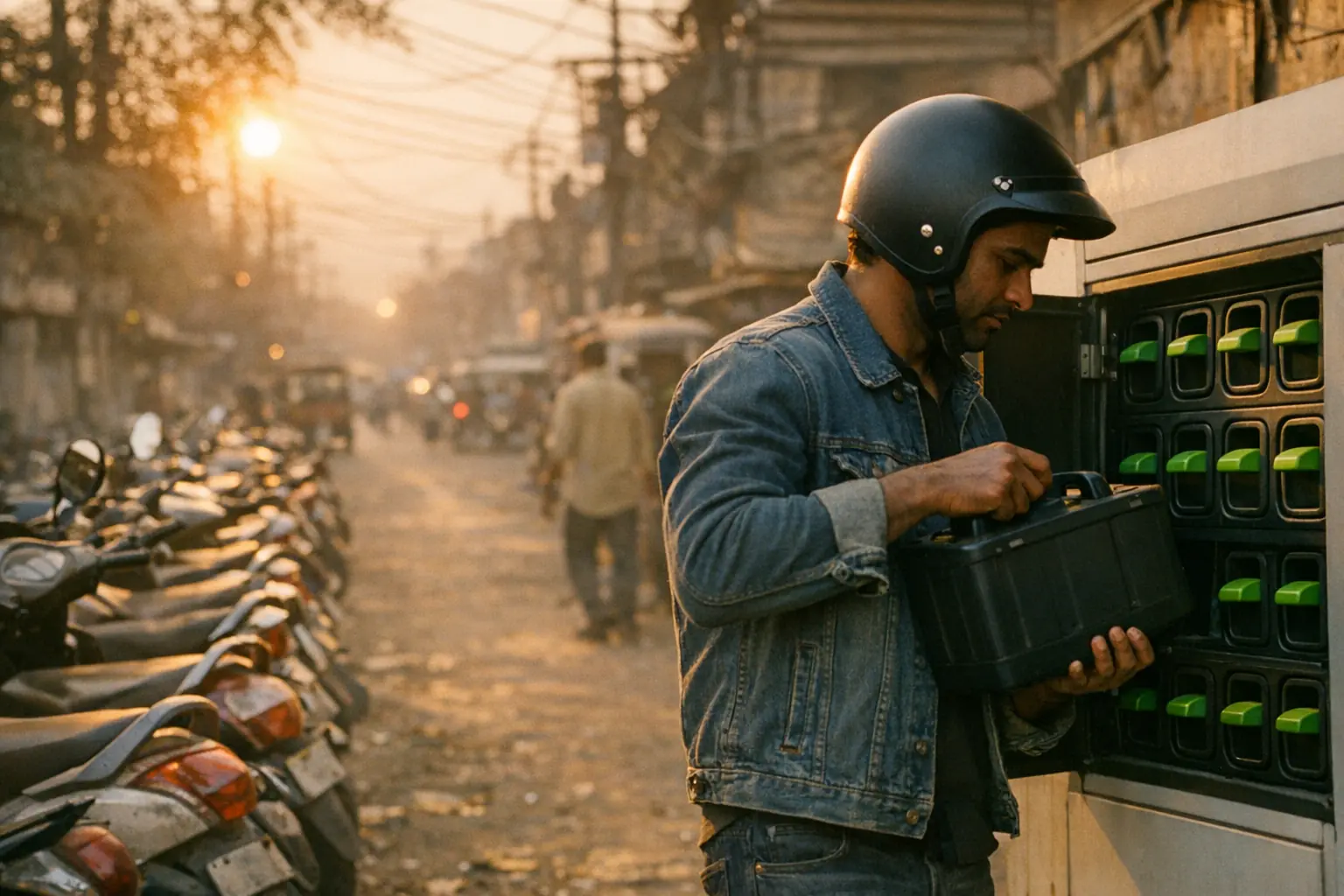 Swap cabinet, 18:40
The rules
We score what you add on the day, not what you arrived with.
Your solution is software
You work in a repository we give you, so we can check the work happened on the day.
Push a baseline before you arrive
Tag your starting point baseline. Starter code, libraries and datasets are all fine — just tell us what you brought.
Everyone writes a case study
Two pages. It goes into the project's published report, with your names on it.
 Build day
Who can enter
Anyone who can get to Varanasi for the day and bring a laptop. Enter on your own or in a team of up to three. No hardware, no entry fee.
- Entrants
- 1–3
- Entry
- Free
- Hackathon
- Sun 11 October 2026
- Abstracts close
- Sun 27 September 2026
What to bring
A laptop and whatever you normally code on, plus your repository pushed and tagged baseline. No hardware needed.

Where
IIT (BHU) Varanasi. One venue, one day, 09:00 to 20:00. The ghats are a twenty-minute ride from campus, if you are staying the weekend.
What you get
The best entries pitch to an industry panel, which picks projects to carry on with a partner after the event. Your case study is published with your names on it.
Common questions
Is there a problem statement?
No, and that is deliberate. Finding the problem is half of what you are judged on. The eight areas on this page are examples, not a list to pick from.
Can I use code I wrote before?
Yes, and you should. Tag it baseline and push it before the day, then tell us what it includes. We score what you add on the day, not what you arrived with.
Can I enter on my own?
Yes. One to three people. A solo entry is judged exactly the same way as a team of three — there is no allowance either way.
Do I need hardware?
No. Your solution is software. Bring a laptop and your usual setup.
What if my build isn't finished by 17:30?
Say so clearly, in your case study and your pitch. Judges score an honest account of what did not work above a demo they cannot check.
How are teams shortlisted?
On your abstract. We read for a real, evidenced problem first, and the build you propose second.
Who owns what we build?
You do. Case studies are published CC-BY-4.0 and code under MIT, so the work can go into the project's report with your names on it.
Find the problem.
Build the fix.
One day.
 Trunk road, 21:10
Supported by the British Council Going Global Partnerships programme.